
 081 878 8639
Caring for Your Fiddle Leaf Fig
The Ultimate Guide to Caring for Your Fiddle Leaf Fig: A Statement Plant for Every Home
If you’ve ever scrolled through interior design blogs or Instagram feeds, you’ve likely encountered the Fiddle Leaf Fig (Ficus lyrata). With its large, glossy, violin-shaped leaves and towering presence, this plant has become a staple in modern home decor. But while it’s undeniably stunning, the Fiddle Leaf Fig has a reputation for being a bit finicky. Don’t let that intimidate you, though—with the right care, this plant can thrive and become the centerpiece of your indoor jungle.
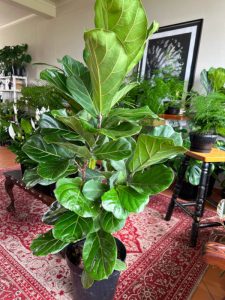
Shop Ficus Lyrata (Fiddle Leaf Figs)
In this guide, we’ll cover everything you need to know about caring for your Fiddle Leaf Fig, from lighting and watering to troubleshooting common issues. Let’s dive in!
—
Why the Fiddle Leaf Fig is So Popular
The Fiddle Leaf Fig’s rise to fame isn’t just about its good looks. This plant has a unique ability to transform a space, adding a touch of elegance and a tropical vibe. Its large, sculptural leaves make it a natural focal point, and its height (it can grow up to 6 feet or more indoors) makes it perfect for filling empty corners or creating a sense of drama.
But beyond its aesthetic appeal, the Fiddle Leaf Fig is also a rewarding plant to care for. Watching it grow and flourish under your care can be incredibly satisfying—if you know what you’re doing. Shop Fiddle Leaf Fig
—
Fiddle Leaf Fig Care 101
1. Light: Bright, Indirect Sunlight is Key
Fiddle Leaf Figs are native to the lowland tropical rainforests of West Africa, where they grow under the canopy of taller trees. This means they thrive in bright, indirect light. Place your plant near a window that gets plenty of sunlight, but avoid direct rays, which can scorch the leaves. If your home doesn’t get a lot of natural light, consider using a grow light to supplement.
2. Watering: Keep It Consistent
Overwatering is one of the most common mistakes Fiddle Leaf Fig owners make. These plants prefer their soil to dry out slightly between waterings. A good rule of thumb is to water when the top 2-3 inches of soil feel dry to the touch. Be sure to use a pot with drainage holes to prevent root rot.
Pro tip: Fiddle Leaf Figs are sensitive to chlorine and fluoride in tap water. If possible, use filtered or distilled water to keep your plant happy.
3. Humidity: Mimic the Tropics
As a tropical plant, the Fiddle Leaf Fig loves humidity. If your home is dry (especially during winter), consider using a humidifier or placing a tray of water near the plant. Misting the leaves can also help, but be cautious—too much moisture on the leaves can lead to fungal issues.
4. Temperature: Keep It Warm
Fiddle Leaf Figs prefer temperatures between 60-75°F (15-24°C). Avoid placing your plant near drafts, air conditioners, or heaters, as sudden temperature changes can stress it out.
5. Soil and Fertilizer: Feed It Well
Use a well-draining, peat-based potting mix to ensure your Fiddle Leaf Fig’s roots don’t sit in water. During the growing season (spring and summer), fertilize once a month with a balanced, water-soluble fertilizer to support healthy growth.
—
Common Problems and How to Fix Them
1. Brown Spots on Leaves
Brown spots can be a sign of overwatering, underwatering, or even a fungal infection. Check the soil moisture and adjust your watering schedule accordingly. If the problem persists, trim the affected leaves and ensure the plant has proper airflow.
2. Dropping Leaves
Leaf drop is often caused by stress, such as sudden changes in light, temperature, or watering habits. Try to keep your plant’s environment as consistent as possible. If it’s dropping lower leaves, it may just be a natural part of growth.
3. Yellowing Leaves
Yellow leaves usually indicate overwatering or poor drainage. Make sure your pot has drainage holes and that you’re not letting the plant sit in water.
4. Slow Growth
If your Fiddle Leaf Fig isn’t growing as quickly as you’d like, it may need more light or nutrients. Move it to a brighter spot and consider fertilizing during the growing season.
—
Styling Your Fiddle Leaf Fig
One of the best things about the Fiddle Leaf Fig is its versatility. Here are a few ideas for styling it in your home:
– Statement Corner: Place a tall Fiddle Leaf Fig in an empty corner to create a dramatic focal point.
– Pair with Neutrals: The plant’s lush green leaves look stunning against neutral walls and furniture.
– Group with Other Plants: Create a mini indoor jungle by grouping your Fiddle Leaf Fig with other tropical plants like Monsteras and Pothos.
– Use a Stylish Pot: Elevate your plant’s look by choosing a chic pot that complements your decor.
—
Final Thoughts
The Fiddle Leaf Fig may have a reputation for being high-maintenance, but with a little attention and care, it can thrive in your home. By providing the right light, water, and humidity, you’ll be rewarded with a stunning, statement-making plant that brings life and beauty to any space.
So, whether you’re a seasoned plant parent or a beginner looking to add some greenery to your home, the Fiddle Leaf Fig is a worthy addition. Happy planting!
—
Do you have a Fiddle Leaf Fig at home? Share your tips and experiences in the comments below! 🌿
 Next Post