
 081 878 8639
The Ultimate Guide to Monstera Deliciosa
Monstera Deliciosa: The Iconic Swiss Cheese Plant
If you’re a plant lover or an interior design enthusiast, chances are you’ve come across the Monstera Deliciosa. With its striking, hole-riddled leaves and easy-going nature, this tropical beauty has become a must-have for homes, offices, and indoor spaces worldwide. But what makes this plant so special? Let’s explore everything you need to know about Monstera Deliciosa!
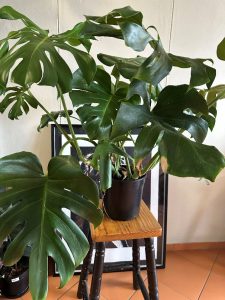
A Tropical Wonder
Native to the rainforests of Central and South America, Monstera Deliciosa thrives in warm, humid environments. In its natural habitat, it climbs trees using aerial roots, reaching impressive heights. Indoors, it remains a manageable size but still makes a bold statement.
Why is it Called the “Swiss Cheese Plant”?
One of the most distinctive features of Monstera Deliciosa is its fenestrated leaves—the natural holes and splits that develop as the plant matures. These perforations resemble Swiss cheese, which is how the plant earned its playful nickname. Scientists believe these holes allow light to pass through the dense jungle canopy to lower leaves while also making the plant more resistant to strong winds.
Benefits of Growing Monstera Deliciosa
Aside from its stunning aesthetics, Monstera Deliciosa offers several benefits:
✔️ Air Purification – This plant helps remove toxins from the air, improving indoor air quality.
✔️ Low Maintenance – Monstera is relatively easy to care for, making it perfect for beginners.
✔️ Fast Growth – With the right care, it grows quickly, filling up empty spaces beautifully.
✔️ Versatile Decor – Its bold, tropical look complements various interior styles, from modern to bohemian.
How to Care for Monstera Deliciosa
Caring for a Monstera Deliciosa is simple if you follow these guidelines:
🌞 Light: Prefers bright, indirect sunlight but can tolerate some shade. Avoid direct sunlight, as it can scorch the leaves.
💧 Water: Water when the top inch of soil feels dry. Too much water can lead to root rot.
🌿 Humidity: Loves humidity! Mist the leaves occasionally or place it near a humidifier.
🌱 Soil: Use well-draining, nutrient-rich soil to keep the roots healthy.
📏 Support: As it grows, provide a moss pole or trellis for climbing.
Common Issues & Solutions
- Yellowing Leaves? Likely due to overwatering. Let the soil dry out before watering again.
- Brown Leaf Tips? This could be caused by dry air. Increase humidity by misting or using a humidifier.
- No Leaf Splits? Your plant may not be getting enough light. Move it to a brighter location.
Fun Fact: It Produces Edible Fruit!
In its natural habitat, Monstera Deliciosa produces a unique fruit that tastes like a mix of pineapple, banana, and mango! However, indoor plants rarely flower or fruit.
Final Thoughts
Monstera Deliciosa isn’t just a plant—it’s a statement piece. Whether you’re a seasoned plant parent or a beginner, this iconic houseplant is an excellent addition to any space. With minimal care, it rewards you with lush, dramatic foliage that transforms your home into a tropical oasis.
Thinking of adding a Monstera Deliciosa to your collection? Browse our selection and bring home this botanical beauty today! 🌿
Would you like any tweaks or additional sections added? 😊
 Previous Post
Hi, this is a comment.
To get started with moderating, editing, and deleting comments, please visit the Comments screen in the dashboard.
Commenter avatars come from Gravatar.